Living in Arizona offers a unique connection to the stunning beauty of the Sonoran Desert. However, maintaining a property in this environment comes with its own set of challenges, from managing fallen cactus needles to clearing away seasonal debris. Proper yard cleanup is not just about aesthetics; it's about safety, fire prevention, and creating a usable, enjoyable outdoor space. This guide provides practical tips for tackling common Arizona yard cleanup tasks, ensuring your property remains a safe and beautiful oasis.
The Prickly Problem: Cactus Needle Cleanup
Cacti are an iconic part of the Arizona landscape, but their needles can be a persistent and painful nuisance. Whether from a fallen cholla segment or a prickly pear pad that's been disturbed, these needles can quickly litter your yard, posing a risk to family members and pets. Here's how to safely and effectively handle cactus needle cleanup:
Safety First: Gear Up
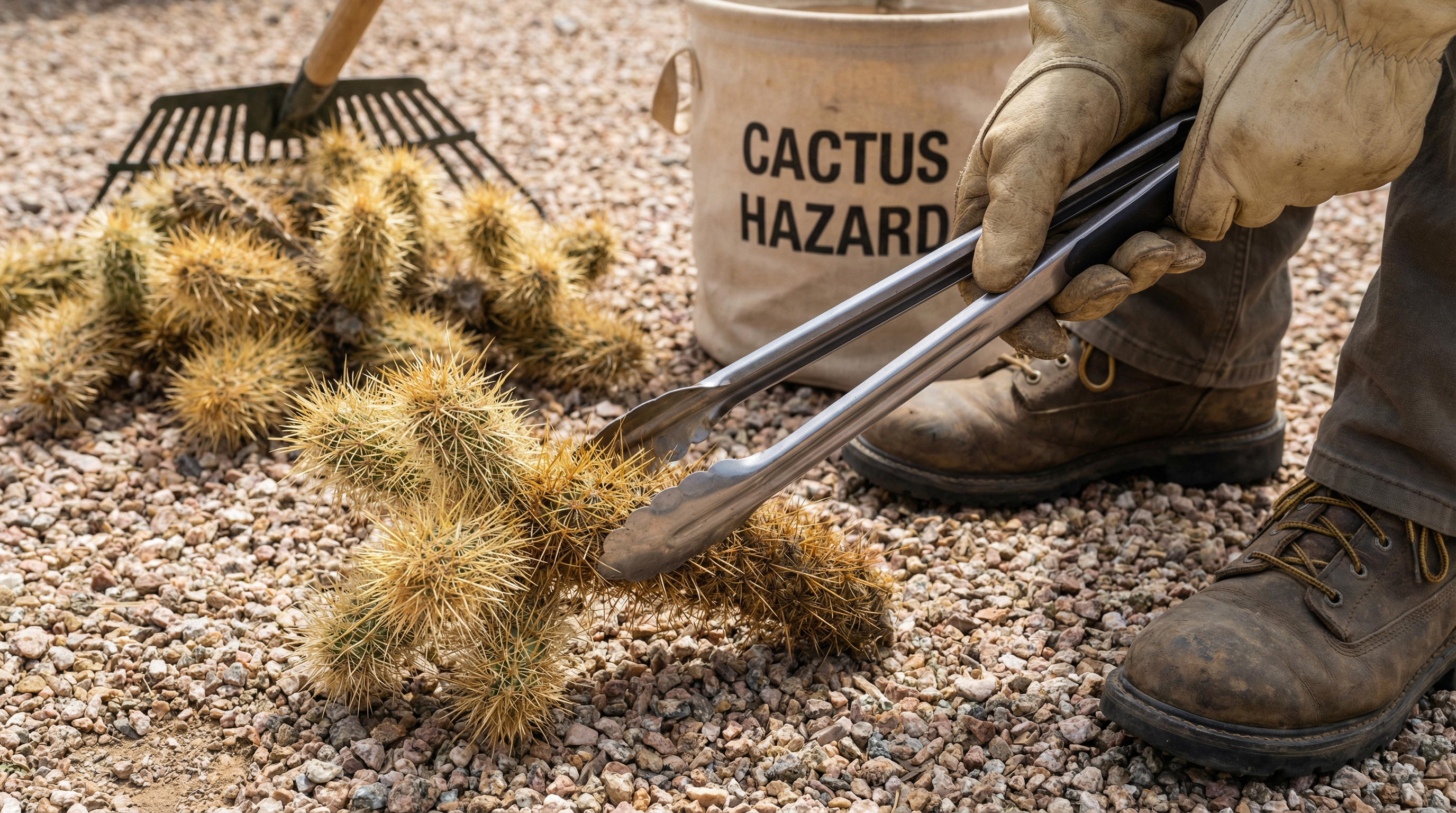
Before you begin, it's essential to protect yourself. Never attempt to handle cactus parts with bare hands. Essential safety gear includes:
- Thick, leather or puncture-resistant gloves: Standard gardening gloves are not sufficient.
- Sturdy, closed-toe shoes or boots: To protect your feet from stray needles.
- Tongs or pliers: For picking up larger cactus segments.
- Safety glasses: To protect your eyes from flying needles, especially on windy days.
Techniques for Cactus Needle Removal
For large, visible cactus parts (like a cholla arm or prickly pear pad), use tongs to carefully pick them up and place them in a sturdy cardboard box or a dedicated, hard-sided yard waste container. Do not use plastic bags, as the needles will easily puncture them.
For smaller, scattered needles and the almost invisible glochids (the tiny, hair-like spines), the approach needs to be more meticulous:
1. The "Styrofoam Drag": Take a large piece of styrofoam (from an old cooler or packaging) and gently drag it across the affected area. The needles will embed themselves in the styrofoam, which you can then safely dispose of.
2. The "Duct Tape Lift": For hard surfaces like patios or walkways, press a strip of heavy-duty duct tape firmly onto the area and then peel it back. The needles will stick to the tape.
3. The "Shop-Vac Solution": A powerful shop vacuum can be effective at sucking up loose needles from gravel or soil. Be sure to empty the vacuum carefully.
Remember to check local regulations for the proper disposal of cactus waste. Some municipalities have specific guidelines.
Debris Removal and Seasonal Cleanup
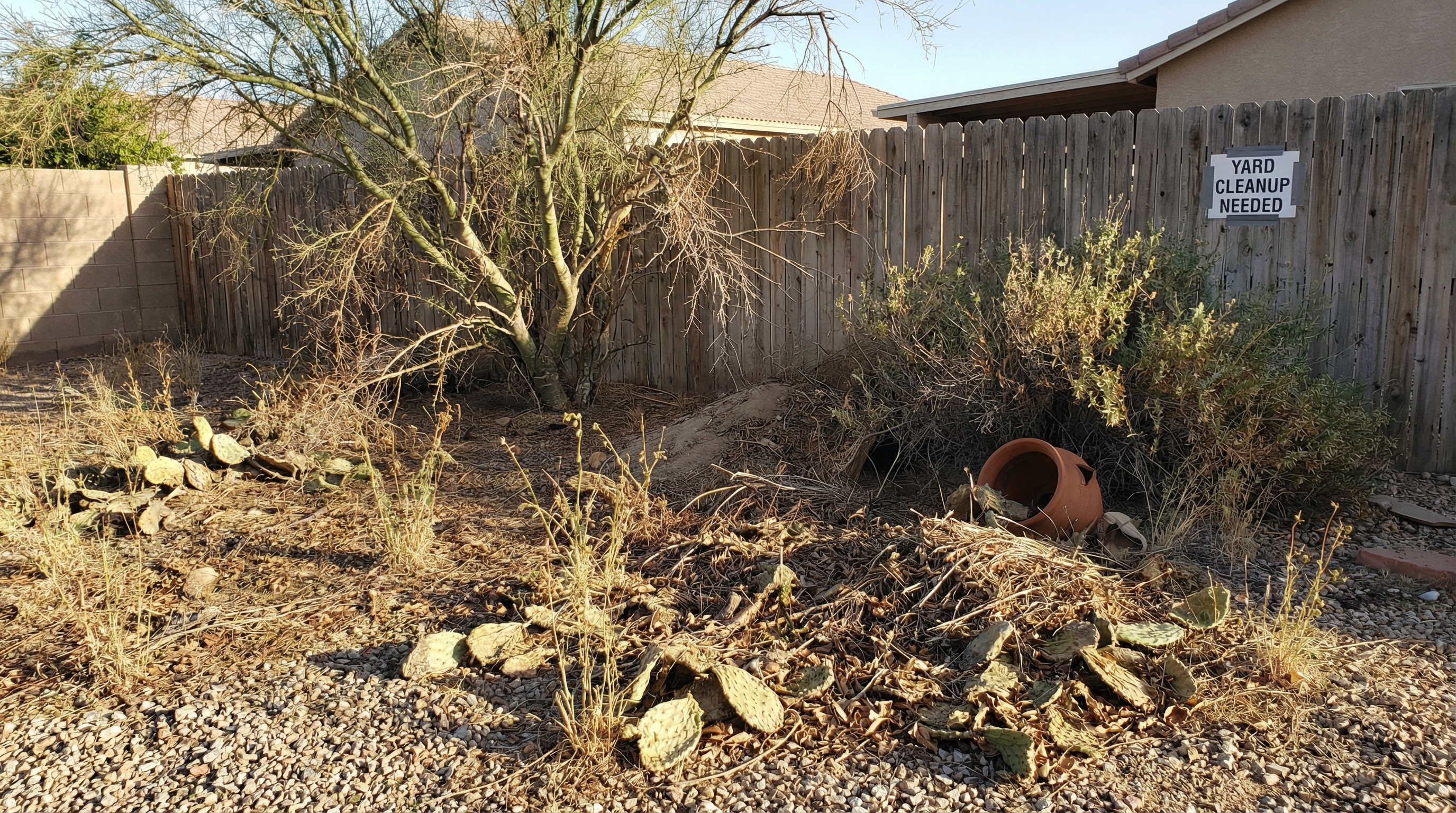
Arizona's climate, with its monsoon storms and dry seasons, creates a cycle of debris accumulation that requires regular attention.
Monsoon Season Aftermath
The powerful winds and heavy rains of the monsoon season can leave a significant amount of debris in your yard. After a storm, it's important to:
- Inspect your trees: Look for broken or damaged branches that could pose a falling hazard. Safely prune these branches or call a professional for larger limbs.
- Clear away fallen leaves and plant matter: This debris can clog drainage areas and become a breeding ground for pests.
- Check your roof and gutters: Remove any accumulated debris to prevent water damage.
Managing Dry Leaves and Brush
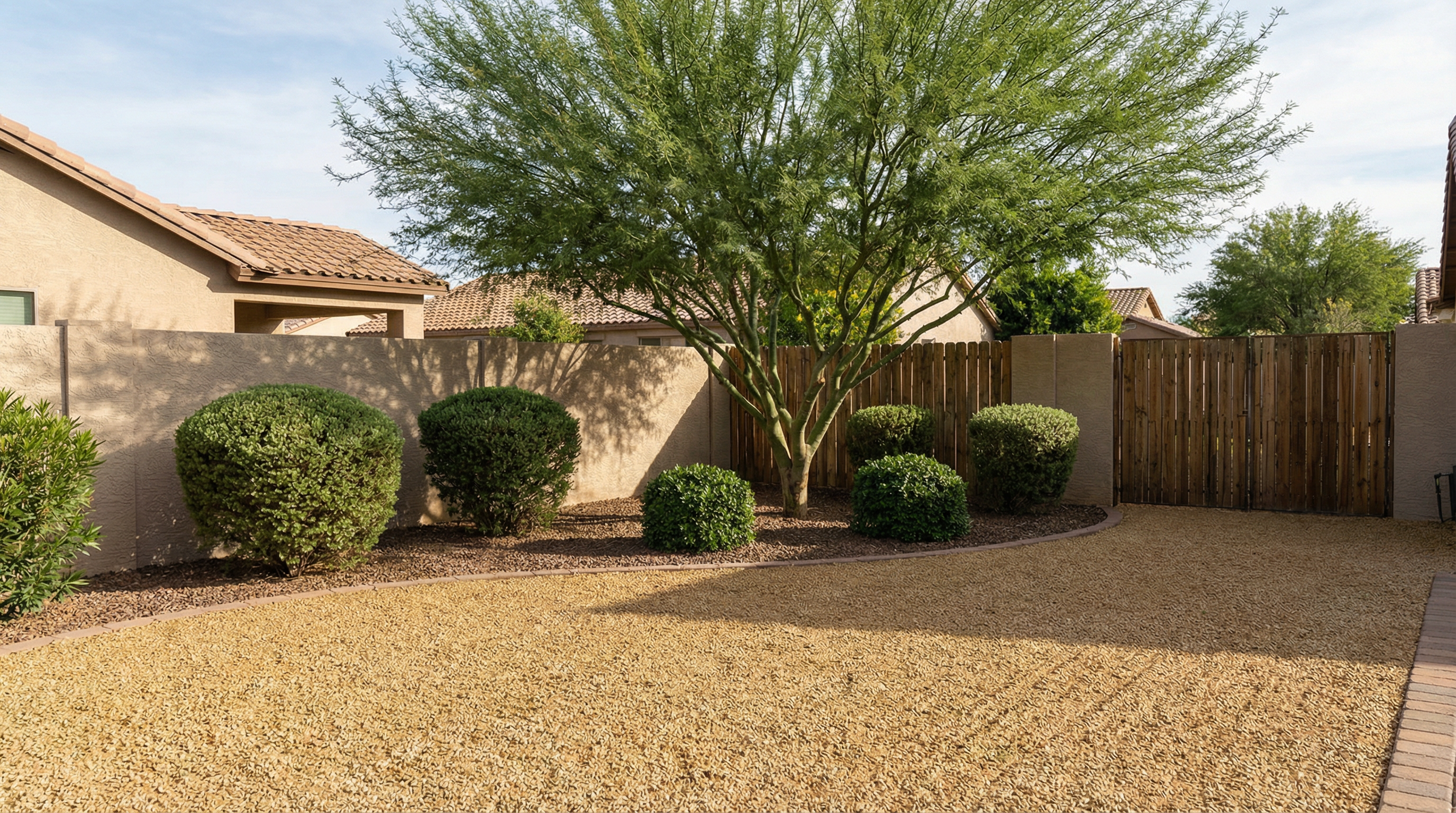
During the dry seasons, fallen leaves and dry brush can accumulate, creating a significant fire hazard. Regular removal is crucial, especially for properties near open desert areas. Create a defensible space around your home by:
- Raking and removing all dead leaves, pine needles, and other dry plant matter within at least 30 feet of your house.
- Trimming back any shrubs or tree branches that are overhanging your roof.
- Keeping your grass (if you have it) mowed and watered.
The Art of Desert Tree Trimming
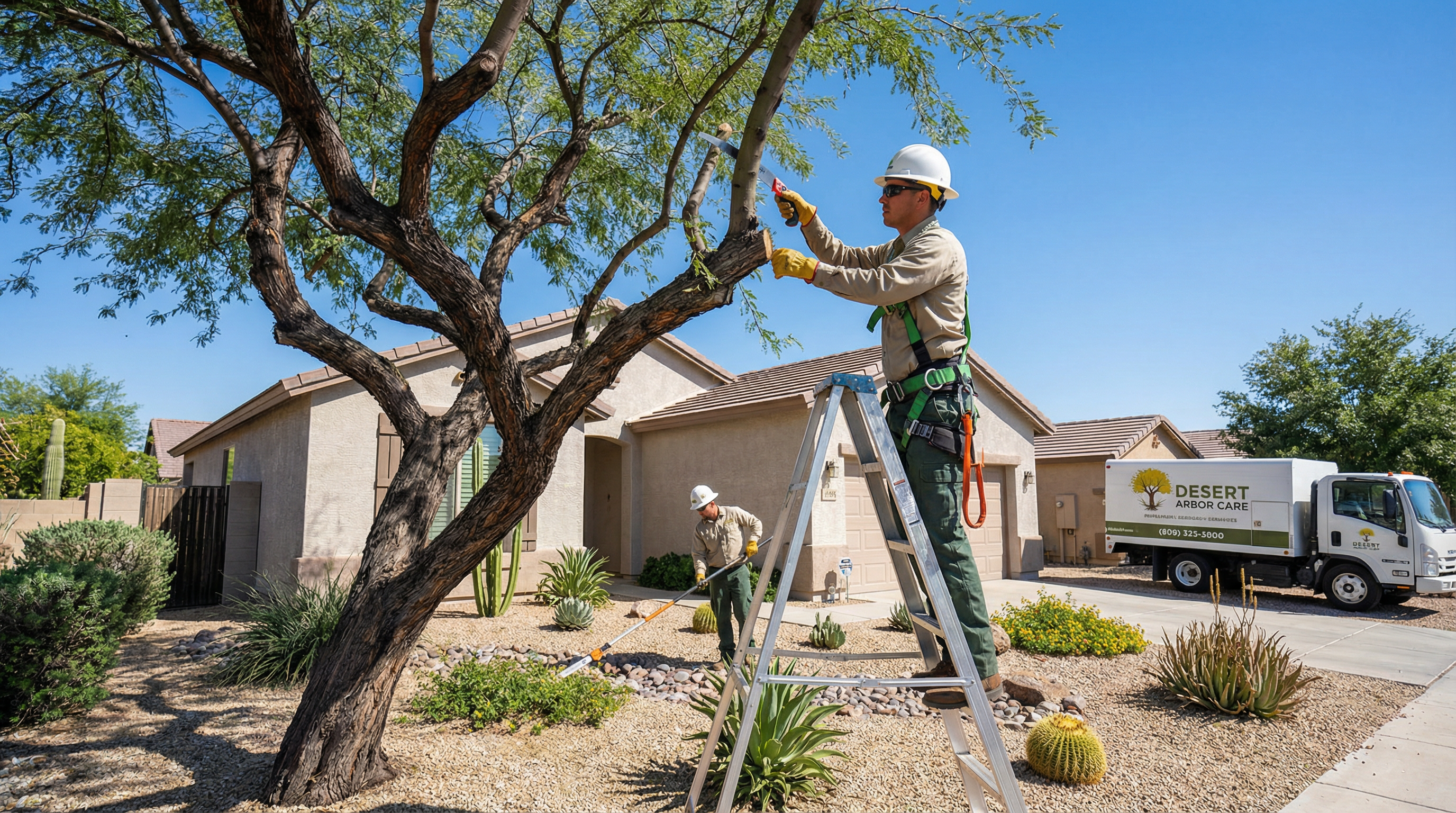
Proper tree trimming is essential for the health, safety, and beauty of your desert trees, such as Palo Verdes, Mesquites, and Acacias. However, it's important to approach this task with care.
When to Trim
The best time to trim most desert trees is in the late spring or early summer, after the risk of frost has passed but before the intense heat of mid-summer sets in. Avoid heavy pruning during the hottest months, as this can stress the tree.
What to Trim
Focus on removing:
- Dead, damaged, or diseased branches: These can be a safety hazard and can invite pests.
- Crossing or rubbing branches: This can create wounds and weaken the tree's structure.
- Suckers: These are fast-growing shoots that emerge from the base of the tree and sap its energy.
- Branches that are too low or are obstructing walkways or views.
Proper Pruning Techniques
- Use sharp, clean tools: This will ensure clean cuts and reduce the risk of disease.
- Make your cuts just outside the branch collar: This is the slightly swollen area where the branch joins the trunk. Avoid leaving a stub, but also avoid cutting flush with the trunk.
- For large branches, use the three-cut method to prevent the bark from tearing.
For large trees or complex pruning jobs, it's always best to hire a certified arborist. They have the expertise and equipment to do the job safely and correctly.
Conclusion
Maintaining a yard in Arizona is a year-round commitment, but with the right knowledge and techniques, it can be a rewarding experience. By staying on top of cactus needle cleanup, managing seasonal debris, and practicing proper tree trimming, you can create a safe, beautiful, and enjoyable outdoor space that you can be proud of. Embrace the unique challenges of the desert, and your yard will thank you for it.
Need Professional Yard Cleanup?
Let Smiley's Landscaping LLC handle the tough work for you!
📞 Call (602) 403-7448